


november 3, 2026
Surf Attraction Safety: Standards, Staff Training and a Daily Operator Checklist
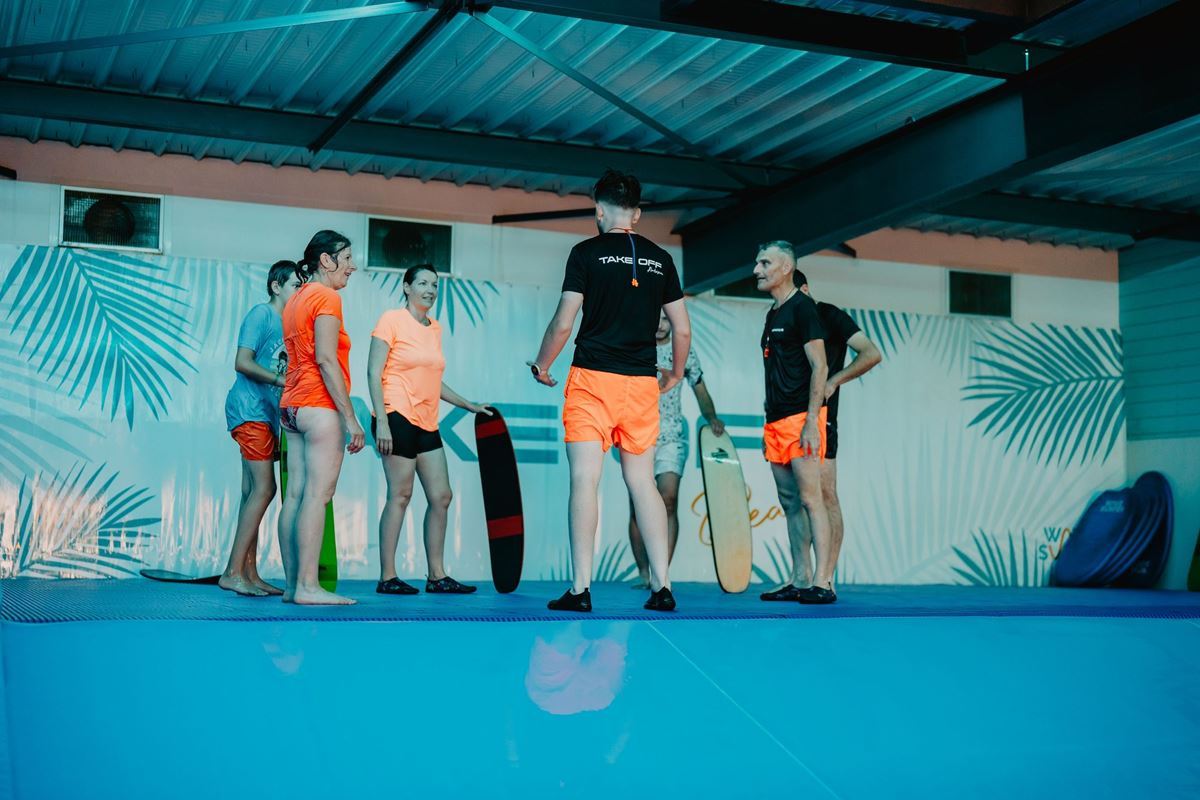
For an operator, safety is not a section of the manual. It decides whether you get a permit, what your insurer charges, how long a guest stays happy and how fast a bad day can become a headline. A surf attraction is straightforward to run safely when the rules, the people and the equipment are planned together at design stage. This guide covers who is responsible for what, what to ask about standards and permits, how to write rider rules and staffing, and a daily checklist your team can use from the first opening day.
In brief
- Safety protects three things you cannot easily replace: your license to operate, your insurance terms and your brand.
- Responsibility is shared. We design and train, the operator writes procedures and supervises, and the authority and the insurer set the conditions.
- Standards and permit rules differ by country and sometimes by region. Ask your authority and your insurer early which apply. Our installations are built to the highest standards and are TÜV and CE certified.
- A good session combines clear entry rules, a briefing, a limit on riders per session, trained attendants and a tested emergency stop. The Belfry, for example, builds a 15-minute safety briefing into each 60-minute session.
- Train the team, write it down and keep logs. A daily checklist takes minutes and prevents most avoidable incidents.
Safety is part of the business case
Guests judge a venue on how safe it feels. Parents, schools, corporate groups and tour organizers all ask about supervision and rules before they book. A visible, professional safety routine therefore sells: it is a reason to choose your attraction over a less organized one.
The reverse also holds. An attraction that closes after an incident loses bookings during the closure, and the reputational cost lasts well beyond it. Planning safety properly costs far less than any one closure.
Who is responsible for what
| Responsibility | Owner | Examples |
|---|---|---|
| Design and engineering | Manufacturer | Machine design, surfaces, controls, adjustable water speed, TÜV and CE certification |
| Training and handover | Manufacturer, with the operator | Operator training at commissioning, refresher sessions |
| Procedures and supervision | Operator | Rider rules, briefing, staffing, daily checks, incident response |
| Permits and conditions | Authority and insurer | Operating permit, inspection regime, insurance requirements |
Write this split into the project documents. Gaps appear where each party assumes another one has it covered.
Standards, permits and insurance
Rules for water attractions vary widely. Some countries treat a surf machine as a water ride, some as a pool, and some apply both sets of requirements. Do not assume that a rule from another market applies to yours. Our installations are built to the highest standards and are TÜV and CE certified. Four questions settle the rest:
- Which authority issues the operating permit, and what does it require to see?
- Which standards or certifications does your authority expect for the machine, and in which documents?
- What does your insurer require on staffing, training, signage, logs and inspections?
- Does the regime require periodic third-party inspection, and who pays for it?
Collect the documents your authority asks for at the start of the project. Having them before the permit application avoids weeks of back-and-forth.
Rider rules and the briefing
Rules should be short, visible and enforced the same way every time. A typical set covers:
- Entry requirements: minimum age and height, plus any health declaration or ability requirements set by your authority or insurer. The Belfry's temporary simulator, for instance, admitted riders aged 6 and above and at least 1.1 m tall.
- A maximum number of riders per session, matched to the model. The Belfry limited sessions to 10 riders.
- A briefing before the first turn: how to fall, how to leave the surface, hand signals and what the emergency stop does.
- One rider on the surface at a time, unless the model and session format allow otherwise, with clear spacing and a fixed order.
- Equipment rules for boards, bodyboards and flowboards, and for any protective gear your risk assessment calls for.
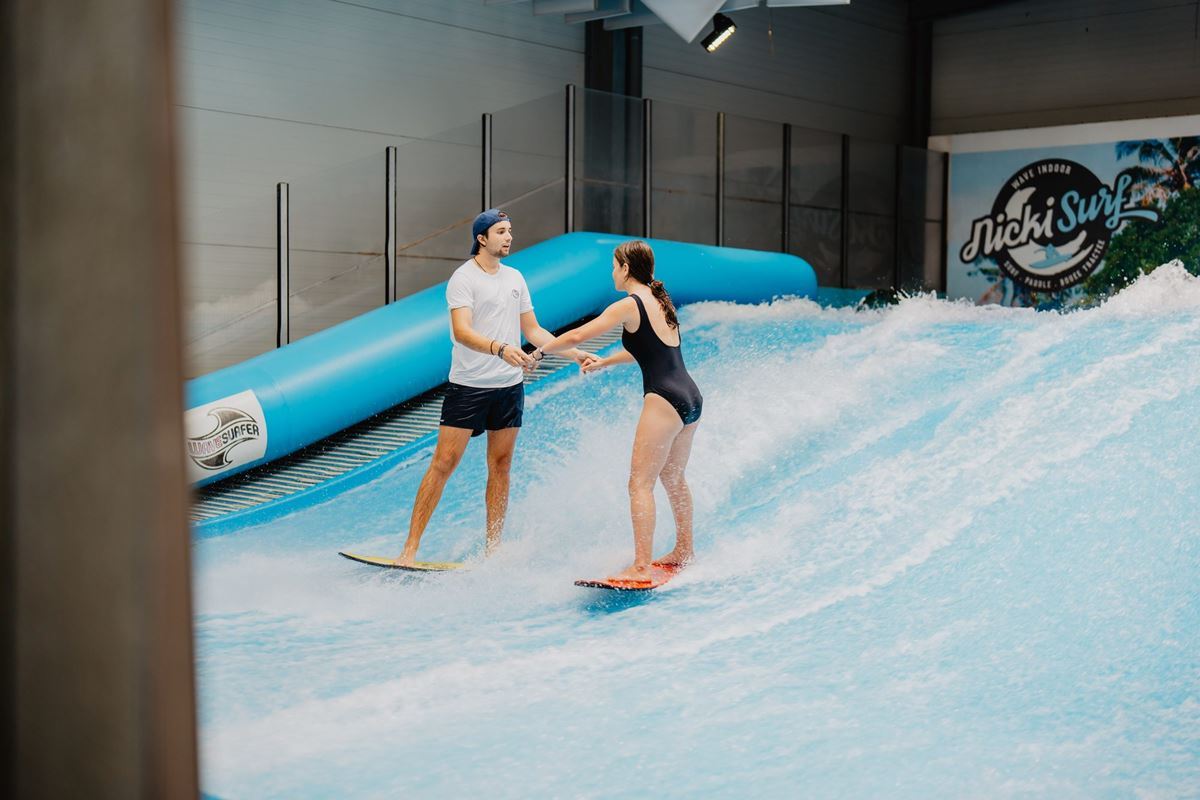
Adjustable water speed is useful here. All our fixed models offer it, so staff can start a beginner or a child on a gentler setting and move up as the rider shows control.
Surfaces, zones and flow of people
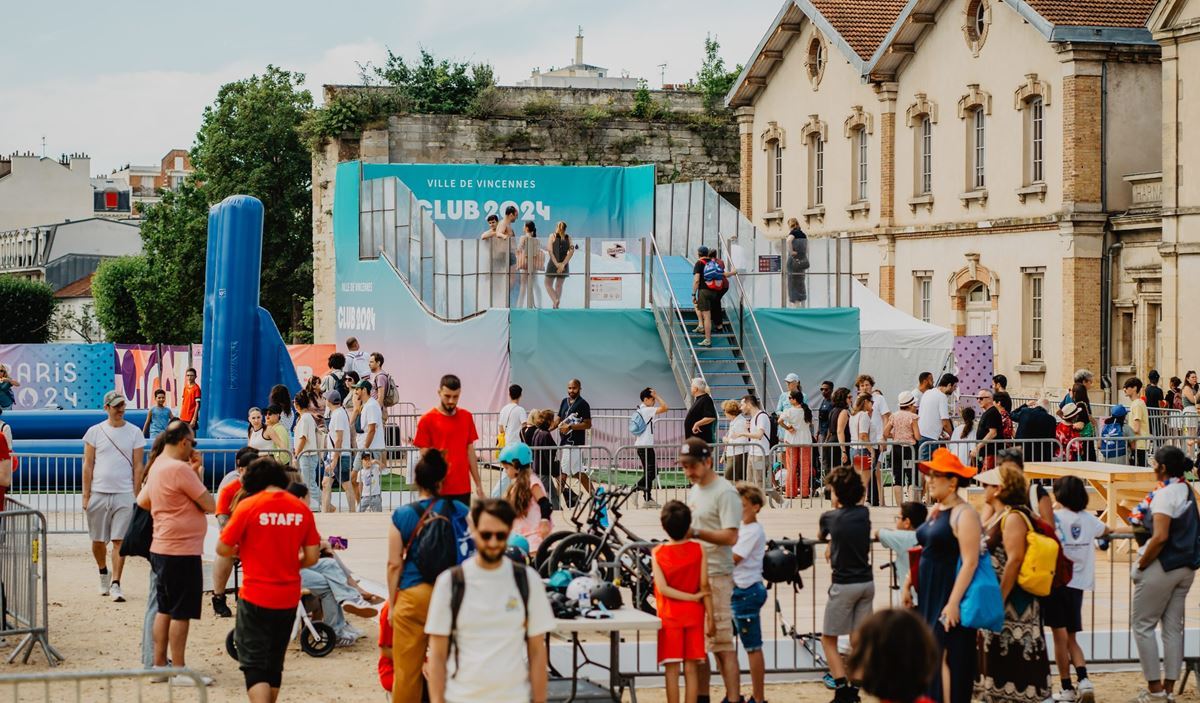
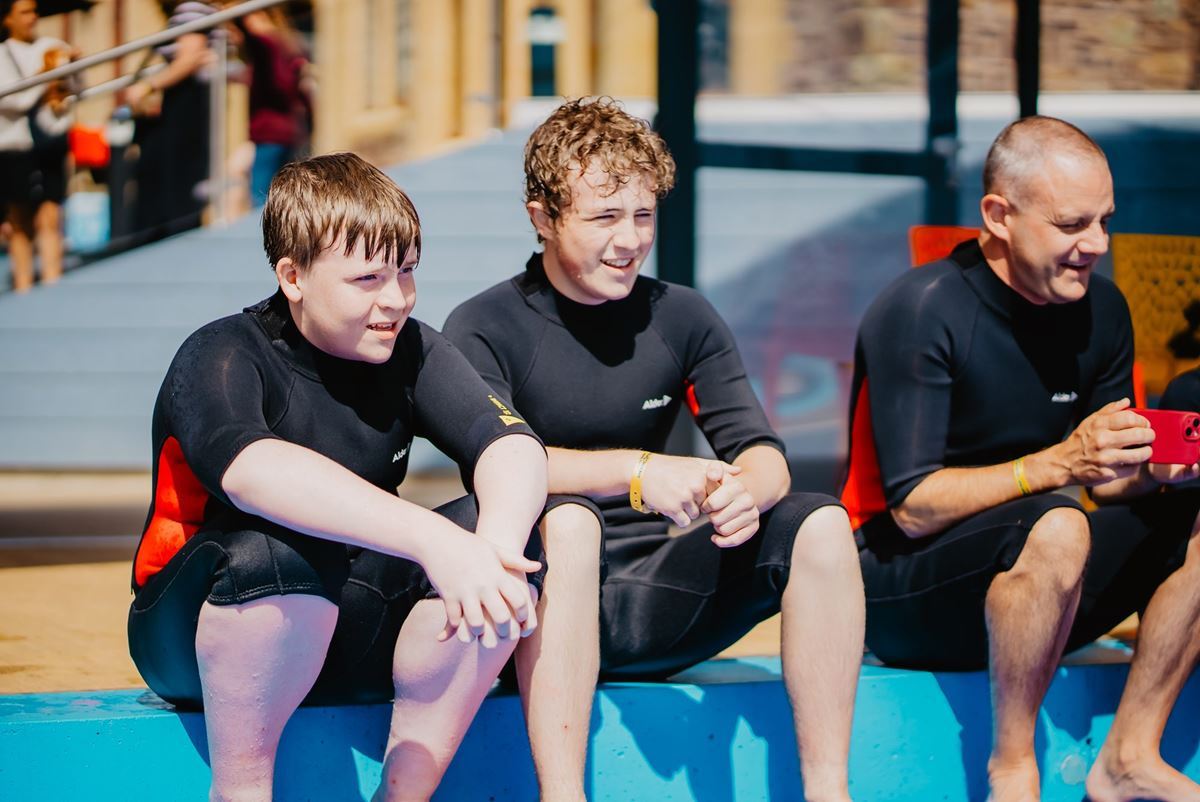
Most incidents around water attractions happen on the walkways, not on the wave. Plan slip-resistant surfaces for every area guests walk on with wet feet, clear separation between the rider zone, the waiting area and the spectator area, and a route in and out that never crosses another guest's path. Spectator zones should keep viewers away from the edges while still giving a view, which also helps your commercial case.
Supervision and staffing
Staff presence is the control that makes every other rule work. Decide at design stage:
- Where attendants stand, so that they see the whole rider zone and can reach the emergency stop without leaving their position.
- Whether a lifeguard or rescue-trained attendant is required by local rules, and what qualification they need.
- How many staff are needed per session for the model and format you plan to run.
- Who is the named responsible person on each shift.
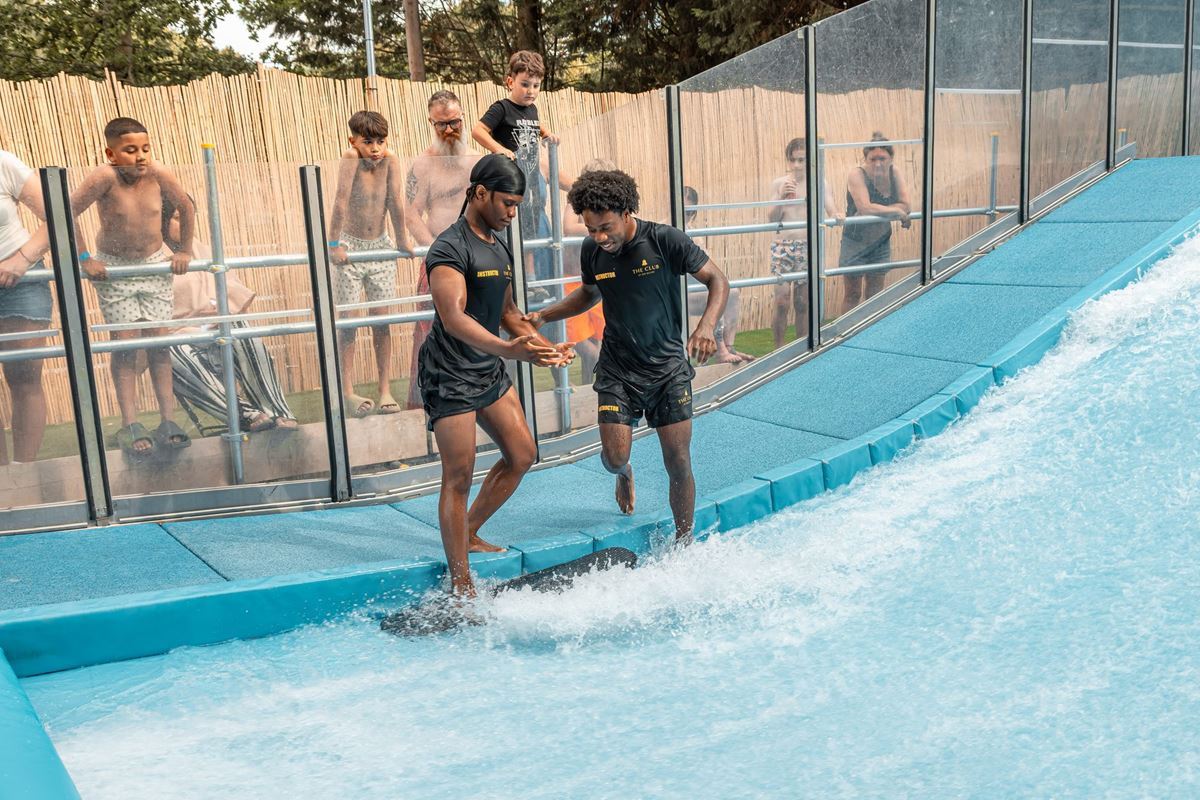
The right staffing level depends on the model, the rider mix and local rules. Settle it with your insurer and your authority.
Emergency stop and incident response
The emergency stop must be easy to reach, clearly marked and tested at the start of each day. Everyone on shift should know where it is and who may use it. Beyond the stop itself, write a short incident procedure:
- Stop the machine and secure the rider zone.
- Give first aid by trained staff, and call emergency services where needed.
- Inform the duty manager and note the time.
- Record what happened, who was involved and which actions were taken.
- Report to the insurer and authority as required, and review the cause before reopening.
Rehearse the procedure with the team, not just once at opening but at the start of every season.
Signage, waivers and records
Post rules at the entrance and at the rider zone, in the languages your guests speak, with simple pictograms. Where your lawyers advise it, use a consent or waiver form, with parental consent for minors. Ask your legal adviser for the right wording for your country, because rules on waivers differ and some regimes give them little weight. Keep signed forms, daily checks and incident reports in an organized record that your insurer can audit.
Training your team
Training turns a written procedure into a habit. Training is part of our scope. At Oasis Waterpark in Billings, Montana, our CEO Karel Dubois spent 12 days on site and 3 days training staff when the attraction opened in 2024. A training plan should cover:
- Operation of the machine, including start-up, shutdown and speed settings.
- Rider briefing, coaching basics and how to manage a group.
- First aid and rescue, to the level your regulations require.
- Emergency stop and incident procedure, practiced as a drill.
- Refresher sessions and a record of who has been trained and when.
Daily operator checklist
| Check | What good looks like |
|---|---|
| Emergency stop | Tested, resets correctly, clearly accessible |
| Surf surface and edges | No damage, no loose items, clean |
| Walkways and entry points | Slip-resistant, dry where possible, free of obstacles |
| Water | Level and quality readings within your regulatory limits |
| Start-up sequence | Smooth, no unusual noise, vibration or leaks |
| Speed settings | Correct for the day's first group |
| Signage and rules | Visible, legible and complete |
| Equipment | Boards and gear checked and in good condition |
| First aid and rescue kit | Complete and in its place |
| Staff on shift | Trained, positioned and briefed |
| Log | Checks signed and any issue recorded |
Frequently asked questions
Do we need a lifeguard? That depends on your country, your authority and your insurer. Many operators place a trained attendant at the emergency stop and a rescue-trained person on shift. Confirm the requirement locally before you finalize your staffing plan.
What minimum age and height should we set? Set it with your insurer and local rules. The Belfry used 6 years and 1.1 m for its 2026 simulator.
Can children and adults ride together? Our fixed models have separate capacities for children and adults, for example up to 12 children or 9 adults on 3 Jets. Plan sessions by group type and set the water speed to the least experienced rider.
Who trains our staff? Training is part of our scope at commissioning, and you maintain the program afterwards with refresher sessions and records. Agree the scope and duration in the contract.
What documentation should we have on opening day? The operating permit, the certificates of the installation, your risk assessment, rider rules, the incident procedure, training records, daily check logs and your insurance certificate.
Build your safety plan with us
The easiest time to get safety right is during project design, when layout, staffing and documentation are still flexible. Request a safety and training briefing for your project. Tell us your country, your venue type and your planned session format, and talk through the training plan with our team.

