


June 19, 2026
Hotels use surf attractions to extend guest spend
Overview
Hotels and resorts are increasingly investing in the wave simulator category because it turns a passive amenity mix into an active revenue engine. A surf attraction does more than entertain guests for a few minutes; it creates a visible, high-energy centerpiece that attracts riders, spectators, families, and groups at the same time. For hospitality brands competing on experience, that combination is hard to ignore.
Unlike traditional water features that guests may use once and move on from, a surf attraction encourages repeat participation throughout a stay. It appeals to beginners, teens, adults, and even non-riders who enjoy watching the action from nearby food-and-beverage spaces. That spectator value matters because it helps extend time spent around the attraction and supports secondary spending.
At WaveSurfer, we have seen how our installations become much more than attractions — they evolve into gathering points where guests create unforgettable moments and experiences.
WaveSurfer positions its systems as customizable surf attractions for hotels, resorts, waterparks, family entertainment venues, sports centers, and pop-up concepts. The brand also highlights support in training, maintenance, and profitability planning. For operators, that means the guest experience can be designed around available space, target demographics, and expected traffic.
In practical terms, surf installations help hospitality businesses create a memorable signature attraction while opening new opportunities for lessons, events, premium sessions, and year-round revenue generation. Whether installed indoors or outdoors, they provide a unique experience that can differentiate a destination and increase guest engagement.
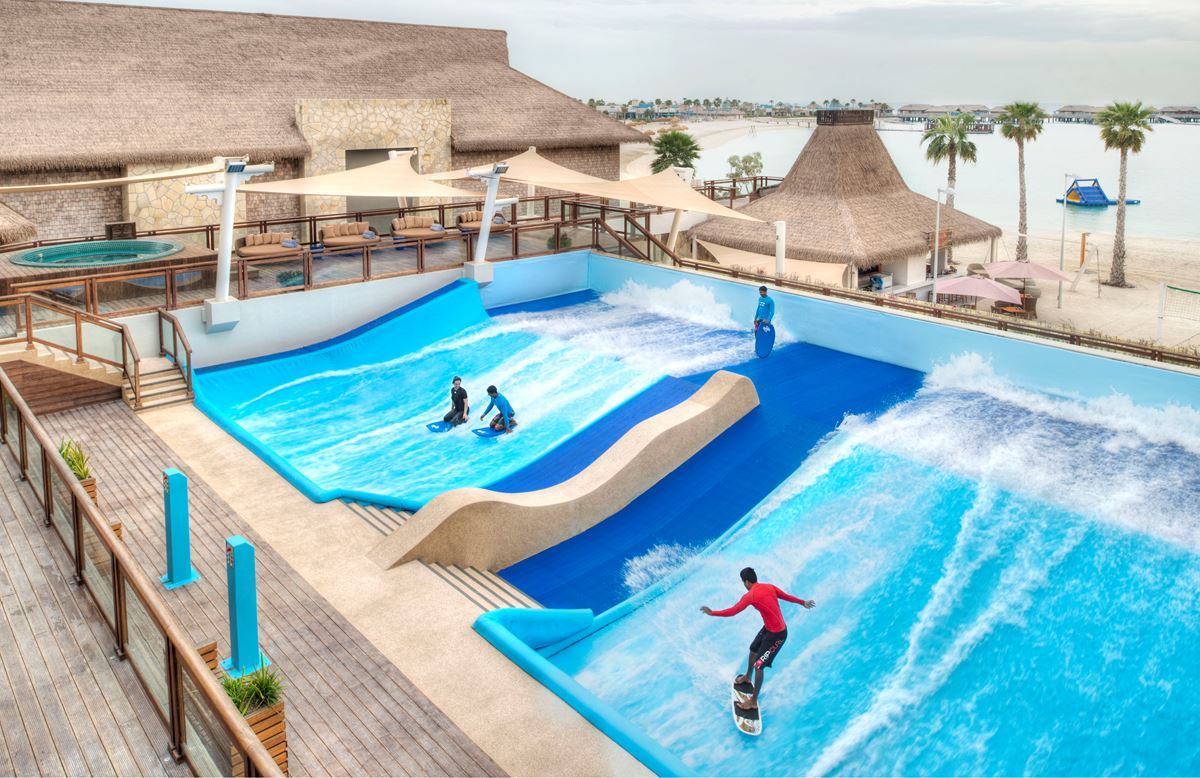
Why resorts add surf attractions
Resorts add surf attractions because travelers increasingly choose properties based on memorable experiences, not just room size or pool access. A modern surf attraction helps a property stand out in crowded leisure markets by delivering excitement that feels unique, social, and highly shareable. For many guests, the chance to try surfing in a controlled setting becomes a booking driver rather than just an on-site bonus.
There is also a strong branding advantage. A visible resort attraction like a surf ride instantly signals energy, lifestyle, and fun. That matters for family resorts, all-inclusive properties, mixed-use destinations, and urban hotels that want a stronger recreational identity. WaveSurfer emphasizes that its products are suitable for different venue types and can be tailored to specific operational goals, which is important when hotels need a concept that fits both space and audience.
Operators are also drawn to how broadly the attraction can be programmed. It can support beginner sessions, advanced flowboarding, family demos, kids’ clinics, group packages, and evening entertainment. That flexibility helps justify the investment
.
- Differentiates the property from nearby competitors
- Appeals to both riders and spectators
- Supports social media visibility and word of mouth
- Creates a premium, lifestyle-oriented guest experience
In short, resorts add these installations because they combine marketing impact with operational revenue potential.
Guest dwell time and repeat visit impact
One of the biggest commercial advantages of a wave simulator is its ability to increase guest dwell time. When a surf attraction is active, it naturally draws attention. Parents pause to watch, teens line up for a turn, and other guests gather nearby with drinks or snacks. This creates a mini destination within the property, keeping people engaged in one area longer than they would be with a standard pool deck layout.
That extra time on site often translates into measurable spending. WaveSurfer customer feedback points to a strong post-ride spending effect, with one operator reporting that more than 80% of groups that ride stay afterward to consume food and beverages. That kind of result matters for hotels seeking stronger returns not only from activity sales but also from adjacent outlets.
"The WaveSurfer really brings something extra to our leisure structure... over 80% of groups that ride the wave stay here afterwards to consume food and beverages."
Repeat visitation can improve as well. Guests who try the ride once often want another session during the same trip, especially as confidence grows. Properties can build on that behavior with multi-ride packages or stay-based access tiers. At a broader level, signature attractions help strengthen loyalty because visitors remember the property as a place where something distinctive happened. That emotional recall improves the odds of rebooking and recommendation, both of which are essential to long-term guest experience value.
Surf lessons events and premium upsells
For hotels, the real upside of a surf attraction is not limited to open ride sessions. The attraction can be monetized through structured programming that turns a single asset into multiple revenue streams. Surf lessons are a natural starting point. Beginner coaching, private instruction, and small-group clinics can all command premium pricing, especially when led by trained staff in a safe and controlled environment.
WaveSurfer testimonials also point to ongoing support in team training, equipment maintenance, and event planning. That operational support is relevant because successful programming depends on more than the machine itself. Resorts need a repeatable schedule of experiences that keeps the attraction fresh and bookable.
- Private lessons for couples, families, or VIP guests
- Kids camps and beginner surf introductions
- Corporate buyouts and team-building sessions
- Evening competitions, demos, and themed events
- Premium packages bundled with cabanas, dining, or photo products
These programs elevate the hotel surf attraction from amenity to business unit. They also create reasons for guests to book in advance, extend their stay, or choose upgraded packages. In a hospitality setting where ancillary revenue matters, lessons and events are often where the strongest margins appear.
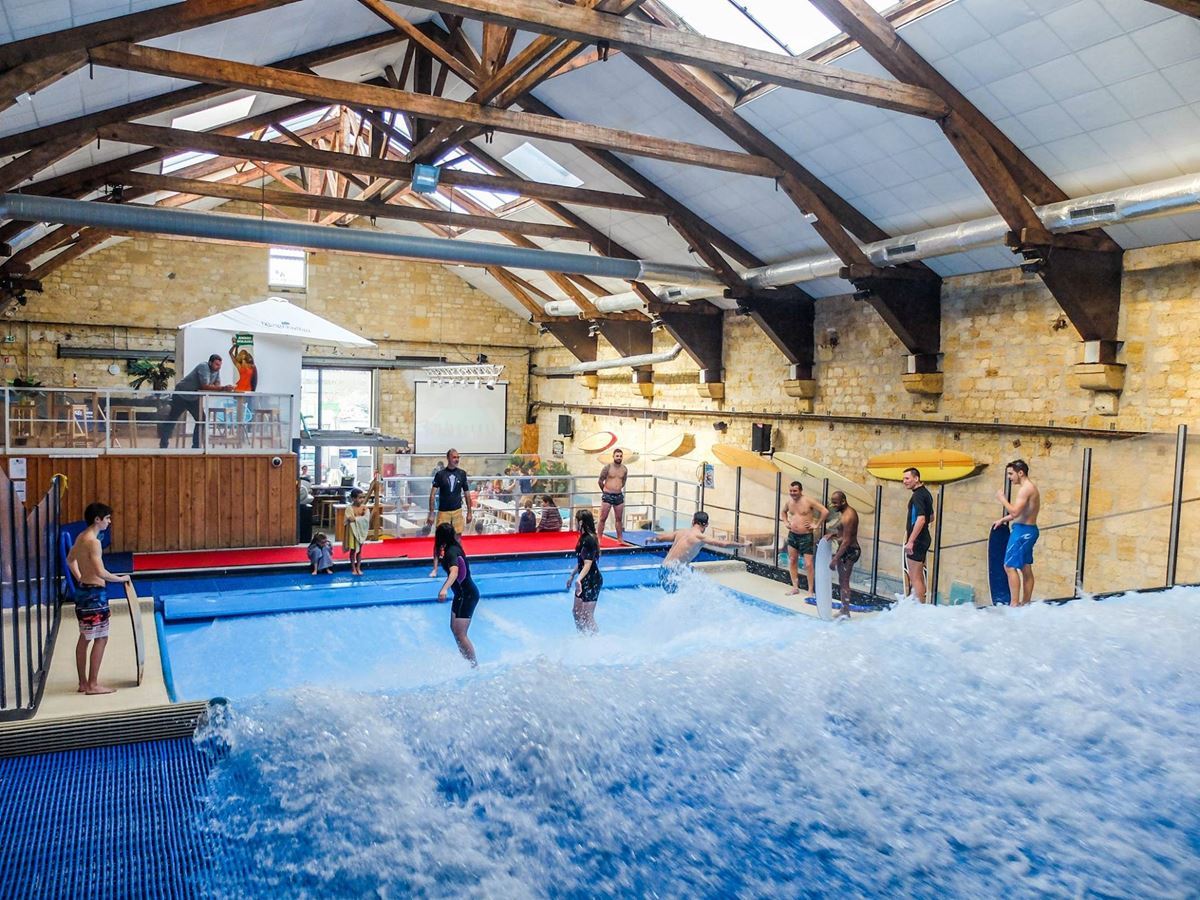
Year-round revenue opportunities
Maximizing asset utilization throughout the year is an important consideration for hospitality operators. Depending on the destination, climate, and available space, surf attractions can be integrated either indoors or outdoors to provide memorable experiences across different seasons. Indoor installations offer protection from the elements, while outdoor systems can capitalize on favorable climates and create an authentic resort atmosphere.
This flexibility matters in several ways. Staffing and programming can be adapted to local conditions, marketing campaigns can target guests throughout the year, and the attraction itself can support a wide variety of activities, from beginner lessons and family sessions to private events and premium experiences. Rather than relying solely on seasonal demand, resorts can create a more consistent stream of activity and guest engagement.
"As soon as the WaveSurfer turns on, we notice quite a lot of curious people coming in."
Whether installed indoors or outdoors, a surf attraction provides a memorable experience that encourages participation and attracts spectators. This combination helps increase dwell time, stimulate secondary spending, and strengthen the overall guest experience.
For owners focused on asset productivity, surf attractions support a clear revenue model. Lessons, private sessions, events, and premium packages can all contribute to year-round earning potential, helping transform recreation into a strategic source of additional revenue.
Choosing capacity for hotel and resort traffic
Selecting the right system capacity is critical for profitability. A hotel or resort must match its surf attraction to guest volume, available footprint, programming goals, and expected spectator demand. A smaller property may benefit from a compact setup, while a larger resort with heavy family traffic or all-inclusive activity schedules may require greater throughput to reduce wait times and maximize participation.
WaveSurfer offers multiple configurations, from the 1 Jet model for more limited spaces to higher-capacity options such as 2 Jets, 3 Jets, and 4 Jets. The company also emphasizes customized solutions, which is valuable for operators balancing design, budget, and operational requirements. Capacity planning is not just about how many riders can surf at once; it also affects staffing, queue management, lesson scheduling, and surrounding food-and-beverage opportunities.
- Smaller hotels may prioritize space efficiency and beginner-friendly operation.
- Large resorts may require higher throughput to accommodate family and group demand.
- Mixed-use destinations may focus on visual appeal and spectator value as much as rider volume.
- Premium properties may prefer capacity that supports private sessions and premium upsell opportunities.
The best solution is the one that aligns with traffic patterns, guest expectations, and business objectives. When capacity is properly planned, the guest experience remains smooth, utilization stays high, and the attraction contributes to both operational efficiency and long-term revenue growth.
Conclusion
Surf installations are becoming increasingly popular in hospitality, offering far more than novelty. A well-planned hotel surf attraction can enhance brand differentiation, extend guest dwell time, boost food-and-beverage sales, and provide unique programming opportunities through lessons, events, and private sessions. For resorts aiming to stand out with unforgettable experiences, this combination of emotional appeal and commercial viability is particularly compelling. Discover how WaveSurfer solutions can help hotels and resorts create memorable guest experiences and unlock new revenue opportunities.
WaveSurfer’s market positioning reinforces that point. Its focus on customizable systems, different capacity formats, operational support, and applications across hotels, resorts, waterparks, sports centers, and entertainment destinations demonstrates how a surf attraction can be adapted to specific business models rather than treated as a one-size-fits-all feature. Testimonials from venue operators also highlight recurring themes: stronger guest engagement, reliable operation, and the ability to attract both participants and spectators.
Most importantly, a surf attraction helps transform recreation into a strategic revenue center. Whether installed indoors or outdoors, it can generate repeat participation, support year-round revenue opportunities, and contribute to a more dynamic guest experience. For hotels looking to extend spending beyond the room, restaurant, and spa, surf technology offers a modern way to keep guests active, entertained, and spending more time on property.

